How much should a beginner practice?
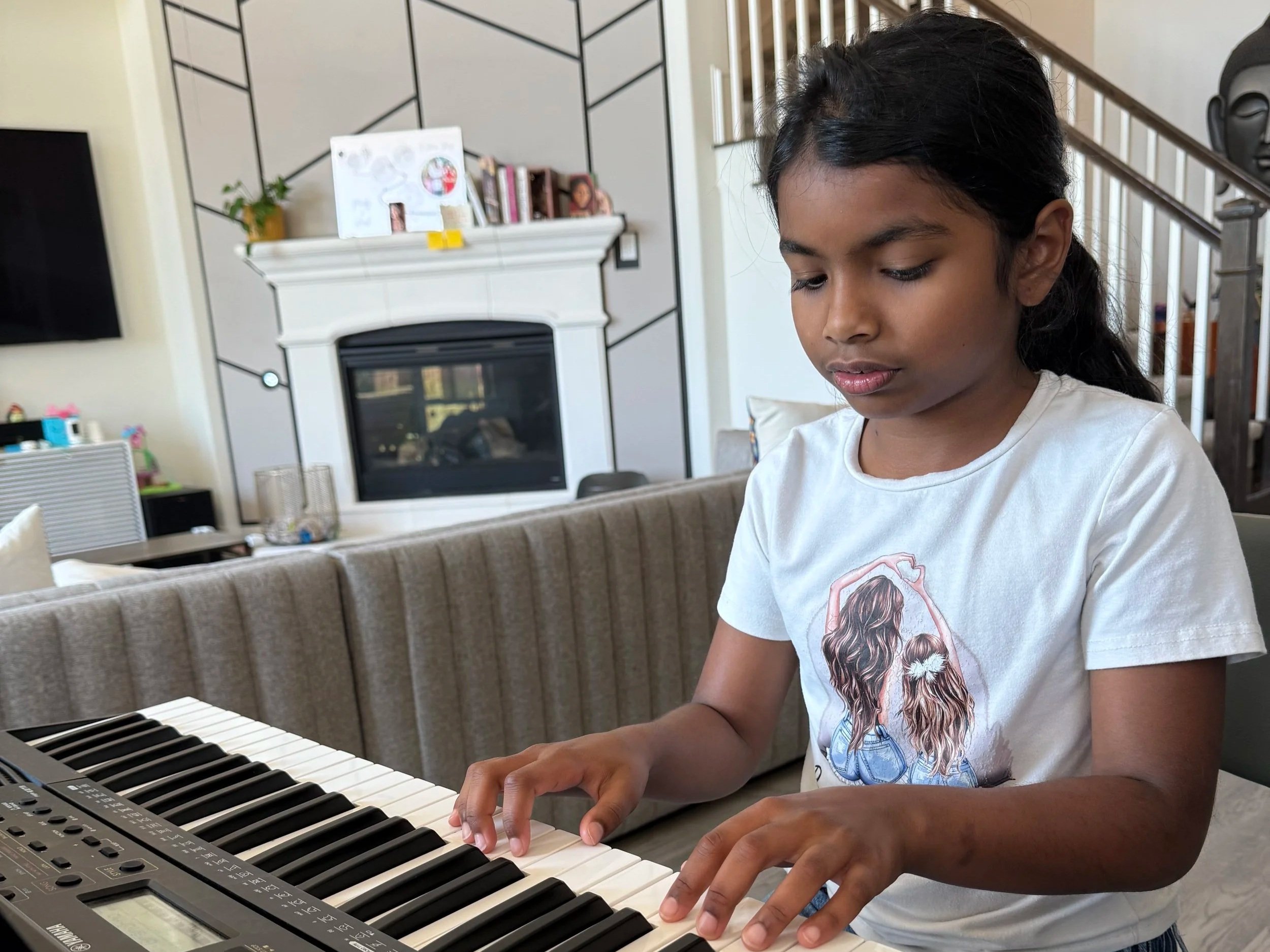
One of the most common questions parents ask after starting piano lessons is how much their child should practice. Many families want to support their student but are unsure what a healthy and realistic practice routine looks like.
The good news is that consistent practice does not need to take hours each day. For beginner students, short and focused practice sessions are often the most effective way to build skills and confidence.
If you would like to learn more about the teaching approach behind HomeKeys Piano Studio, you can visit the About page.
Below are some helpful guidelines for building a positive practice routine.
Practice Goals for Beginner Students
For most beginner piano students, practicing five to six days per week is a great starting point. Regular practice helps students reinforce what they learn during their lesson and develop steady progress.
A general guideline many teachers recommend is:
10 to 15 minutes per day for very young beginners
15 to 25 minutes per day for elementary-age students
20 to 30 minutes per day for older beginners and teens
Consistency matters more than long practice sessions. Short daily practice helps students build strong habits over time.
What Should Students Practice?
Practice time should focus on reviewing the material introduced during the lesson. Instead of playing the same piece repeatedly, students benefit from working on several areas of their musical development.
A typical practice session may include:
Warm up exercises or finger patterns
Reviewing assigned pieces
Practicing small sections of new music
Basic music theory activities
This balanced approach helps students build both technical skills and musical understanding.
Making Practice Part of the Routine
One of the best ways to encourage consistent practice is to make it part of the weekly routine. When practice becomes a regular habit, students are more likely to stay motivated and make steady progress.
Some helpful strategies include:
Choosing a consistent practice time each day
Keeping music books and materials organized near the piano
Encouraging short, focused practice sessions
Celebrating small improvements and progress
A positive environment helps students develop confidence and enjoy the learning process.
How Parents Can Support Practice
Parents play an important role in helping young students build strong practice habits. Even small amounts of encouragement can make a big difference.
Parents can support their child by:
Helping establish a regular practice time
Listening to their child play occasionally
Encouraging effort rather than perfection
Asking the teacher questions if practice feels confusing
When families stay involved, students often feel more motivated and supported.
You can learn more about lesson structure and scheduling on the Lessons page.
Progress Takes Time
Learning piano is a gradual process. Skills develop over weeks and months as students practice and build familiarity with the instrument.
Consistent practice, supportive instruction, and patience all help students develop confidence and enjoy their musical journey.
HomeKeys Piano Studio offers in-home piano lessons for students in:
Cedar Park
Round Rock
North Austin
Learning at home can make it easier for students to build regular practice habits and feel comfortable during their lessons.
Reach out today to get started or contact us to learn more about in-home piano lessons in Austin.
Frequently asked questions
-
Practicing most days of the week is helpful for building steady progress. Many beginner students benefit from practicing five to six days per week, even if practice sessions are short.
-
For very young beginners, 10 to 15 minutes of focused practice can be very effective. As students grow and advance, practice sessions often become gradually longer.
-
The best time to practice is whenever a student can focus and make it part of a regular routine. Some students prefer practicing after school, while others enjoy practicing earlier in the evening before bedtime.
-
Students often stay motivated when practice sessions are short, achievable, and focused on music they enjoy. Celebrating small improvements and maintaining a positive routine can help build confidence and interest in learning.
