How to choose the right piano or keyboard for beginners
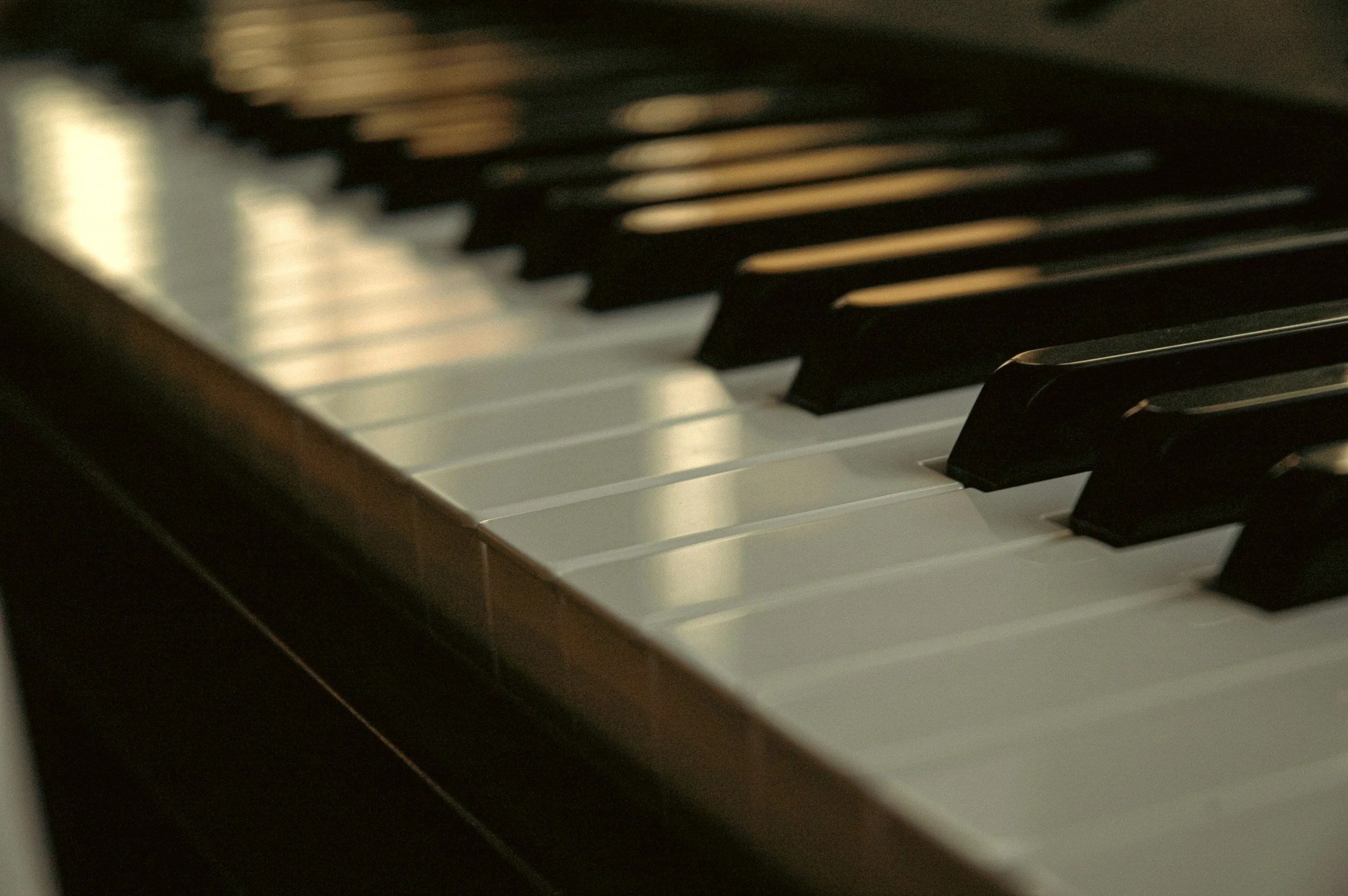
Many families consider starting piano lessons before they have an instrument at home. One of the first questions that often comes up is whether it is better to start with a traditional piano or a keyboard.
The good news is that beginners can learn successfully on either option. The most important thing is having an instrument available for regular practice.
Below are a few helpful guidelines to consider when choosing a piano or keyboard for a beginner.
Acoustic piano vs digital keyboard
Both acoustic pianos and digital keyboards can work well for beginners. Each option has its own advantages depending on your space, budget, and long term goals.
Acoustic pianos
Acoustic pianos produce sound through real strings and hammers. Many students enjoy the rich tone and natural feel of the instrument.
Benefits of acoustic pianos include:
Full size keys with natural resistance
A rich, resonant sound
A traditional playing experience
However, acoustic pianos can be larger, more expensive, and require regular tuning.
Digital keyboards
Digital keyboards are a popular choice for beginners, especially when space is limited.
Many families choose keyboards because they:
Take up less space in the home
Are more affordable than most pianos
Include volume control and headphone options
With the right features, a keyboard can be an excellent instrument for beginner students.
Important features to look for in a beginner keyboard
Not all keyboards are designed for piano learning. If you are choosing a keyboard for a beginner, there are a few important features to look for.
A good beginner keyboard should include:
88 keys to match the size of a standard piano
Touch sensitive keys that respond to how hard the student plays
Weighted or semi weighted keys to help develop proper technique
These features help students build the skills they will use on any piano.
Space and budget considerations
Choosing an instrument also depends on the space available in your home and your family's budget.
Some families prefer a keyboard because it can easily fit into smaller spaces. Others enjoy having an acoustic piano as a permanent part of the home.
Both options can work well as long as the student has an instrument available for regular practice.
Creating a comfortable practice area
Once you have chosen an instrument, setting up a comfortable practice space can help students stay motivated.
A good practice setup may include:
A stable keyboard stand or piano bench
Good lighting near the instrument
A quiet area with minimal distractions
Music books organized near the piano
A welcoming practice space helps students feel excited to sit down and play.
You can learn more about lesson structure and scheduling on the Lessons page.
The most important thing for beginners
While choosing the right instrument is helpful, the most important factor for beginners is simply having consistent access to a piano or keyboard.
Regular practice on a reliable instrument allows students to build skills, develop confidence, and enjoy the process of learning music.
HomeKeys Piano Studio offers in home piano lessons for students in:
Cedar Park
Round Rock
North Austin
Learning at home can help students practice on the same instrument they use during their lesson, which supports steady progress.
Ready to get started? Reach out today to schedule your first lesson!
Frequently asked questions
-
Both instruments can work well for beginners. Many students start on a keyboard, especially when space or budget is a consideration. However pianos and weighted key keyboards help students learn dynamics (volume) and other techniques that basic keyboards cannot accommodate.
-
Weighted or semi weighted keys are helpful because they allow students to develop proper finger strength and technique.
-
Smaller keyboards can be useful for exploring music, but beginners usually benefit from a full size keyboard with touch sensitive keys.
-
Yes. Acoustic pianos typically need tuning about once or twice per year to keep them sounding their best.
